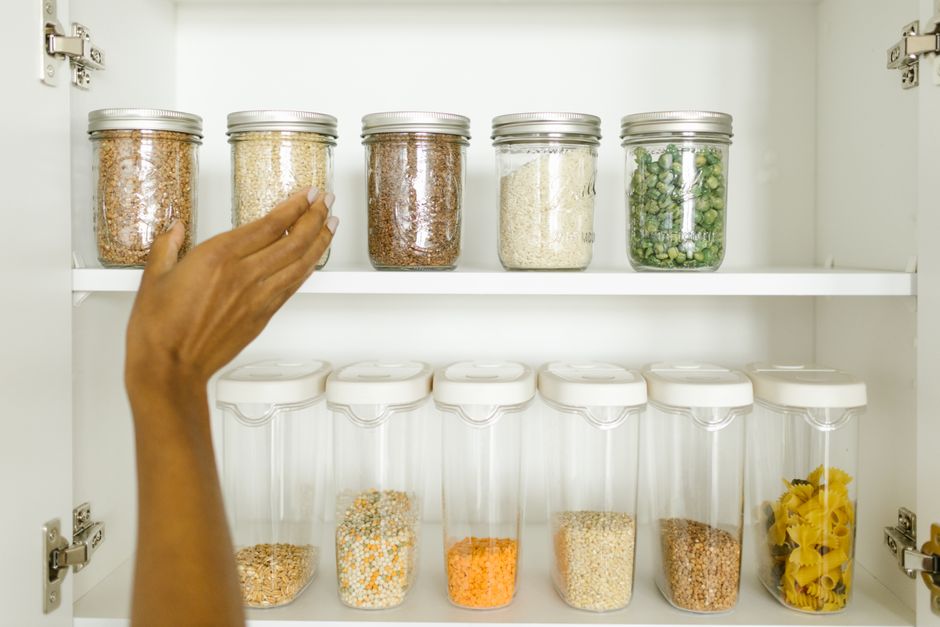

A small apartment stockpile works best when it is built around a two-week supply goal, stored in existing dead space like under beds and inside empty luggage, and kept to quantities the household will actually rotate through. The real fix is usually decluttering and reorganizing before adding storage. Food, cleaning products, and child or pet access need to be planned separately from the start.
Table of Contents
-
How do I declutter and reorganize before I add stockpile storage?
-
How do I keep a simple stockpile inventory and rotate what I use first?
-
How should I separate cleaning products from food in a small stockpile?
-
How do I keep a stockpile safe from kids, pets, heat, and pests?
How much should I stockpile in a small apartment?
Start with a three-day goal and build gradually to a two-week supply of food, water, and supplies. According to No Space? No Excuse! Smart Storage Hacks for Emergency Preparedness, a two-week goal is realistic for apartment residents who build up slowly.
Water planning matters more than many people expect. The video recommends at least one gallon of water per person per day. A gallon of water weighs 8.34 lb, so large water stores can strain apartment floors and shelves.

A water filter or purifier can replace some stored water containers. This option saves space in a tight apartment while still covering drinking water needs.
Set a simple quantity rule. Buy only what fits the planned storage space and what the household will use within its rotation window. This keeps the stockpile from expanding into living areas.
Where can I store a stockpile in an apartment?
Store a stockpile in dead space that already exists, such as under beds, inside empty suitcases, on closet shelves, and in over-the-door organizers. According to 23 Places to Stockpile in an Apartment, practical spots include under reclining furniture, rollout pantries, bookcases inside closets, empty coolers, on top of cabinets, on top of the fridge, and in laundry rooms.
Under furniture is a storage gold mine, according to No Space? No Excuse! Smart Storage Hacks for Emergency Preparedness. Use these spots only for sealed, pest-safe items. Beds, sofas, and chairs all offer hidden space.

Accept that some storage areas will not be guest friendly or pretty. The article from Home Cleaning Family notes this is a normal trade-off in a small apartment.
Avoid unsafe or damp spots. Do not store food in humid bathrooms, near water heaters, or in damp basements and closets. Heat and moisture can ruin food and packaging.
How do I declutter and reorganize before I add stockpile storage?
Reorganizing and decluttering existing items is often the real solution for stockpiling in an apartment. According to 23 Places to Stockpile in an Apartment, clearing out what you already own usually frees more space than buying new storage.
Start with one closet or cabinet. Empty it fully, group like items together, and donate or toss duplicates before buying any storage bins. This pass shows what space actually exists.
Match storage containers to the space you freed up. Do not buy bins first and hope they fit. Measure the cleared shelf or under-bed gap, then choose containers for that exact spot.
Keep a donation box running. As new stockpile items come in, place unused household goods in the donation box. This prevents the stockpile from refilling the clutter you just cleared.
How do I keep a simple stockpile inventory and rotate what I use first?
Use a first-in, first-out rotation system. New items go to the back of the shelf or bin, older items come forward, and the next meal or cleaning task uses the oldest stock. This prevents expired goods from hiding in the back.
Keep a plain inventory method. A list taped inside a cabinet door or a note on a phone works well. Check the list monthly and update quantities.
Canned and dry goods need a written rotation schedule. The research pack does not supply a specific shelf life chart, so create your own based on package dates. Mark purchase dates on items when they come in.
Tie quantities back to the two-week goal from No Space? No Excuse! Smart Storage Hacks for Emergency Preparedness. When the inventory list shows enough for two weeks, stop adding that category. This keeps the stockpile small and checkable.
How do I avoid overbuying when building a stockpile?
Add a few extra items per shopping trip rather than doing one large haul. According to No Space? No Excuse! Smart Storage Hacks for Emergency Preparedness, building gradually from a three-day goal toward two weeks prevents overbuying.
Use the inventory list as a shopping gate. Before buying anything, check the list. If the category is already full for the two-week goal, skip it.
Cap quantities by space, not by sale price. A bulk buy that does not fit the planned spot creates clutter and waste. Skip deals that require storing more than the space allows.
Clipping Deals can help apartment residents buy planned household essentials at a lower cost. Checking deals on clippingdeals.com works best when the shopping list is already set. The goal is lower cost on planned items, not buying more.
How should I separate cleaning products from food in a small stockpile?
Keep cleaning products and food in separate zones, never in the same bin or on the same shelf. This rule applies even in a very small apartment. Cross-contamination from spills or fumes can make food unsafe.
Store cleaning supplies in closed containers away from food prep areas. A plastic bin with a lid works well. Place the bin on a low shelf or floor spot that is not near the kitchen counter.
Follow label instructions and keep original containers. Original labels show hazards and first aid steps. Transferring cleaners to unmarked bottles creates a poisoning risk.
Avoid storing cleaning products in hot spots like car trunks or above the stove. Heat can cause containers to leak or release fumes. The article from Home Cleaning Family lists car trunks as a storage spot, but cleaning chemicals do not belong there.
How do I keep a stockpile safe from kids, pets, heat, and pests?
Use locked bins or high shelves for anything hazardous, and sealed containers for food. Child and pet access must be planned before the stockpile grows. A simple latch or high shelf prevents most accidents.
Avoid storing food in car trunks, on top of cabinets near heat, or in any damp location. Temperature swings and humidity can spoil food and damage packaging. The article from Home Cleaning Family lists car trunks and cabinet tops as storage spots, but these work only for non-food items.
The research pack does not cover lease rules on fuel or propane. Check the lease before storing anything flammable in an apartment. Fuel storage is a separate question from food and household supplies.
Alternative cooking devices and heaters must follow manufacturer instructions. The video from No Space? No Excuse! Smart Storage Hacks for Emergency Preparedness advises following instructions carefully when using devices like a Mr Buddy heater indoors. Safety comes before convenience.
Key Takeaways
-
A realistic apartment stockpile starts at a three-day goal and builds gradually to a two-week supply of food, water, and supplies.
-
Plan at least one gallon of water per person per day, and remember each gallon weighs 8.34 lb.
-
A water filter or purifier can replace some stored water containers in a small apartment.
-
Decluttering and reorganizing existing items is often the real solution before buying any storage bins.
-
Under beds, inside empty luggage and coolers, over-the-door organizers, and closet bookcases are practical stockpile spots.
-
Rotate stock by moving older items to the front and keeping a simple written inventory checked monthly.
-
Keep cleaning products in separate, closed, labeled containers away from food and out of reach of children and pets.
References
-
23 Places to Stockpile in an Apartment — date unknown
-
No Space? No Excuse! Smart Storage Hacks for Emergency Preparedness — 2025-01-14