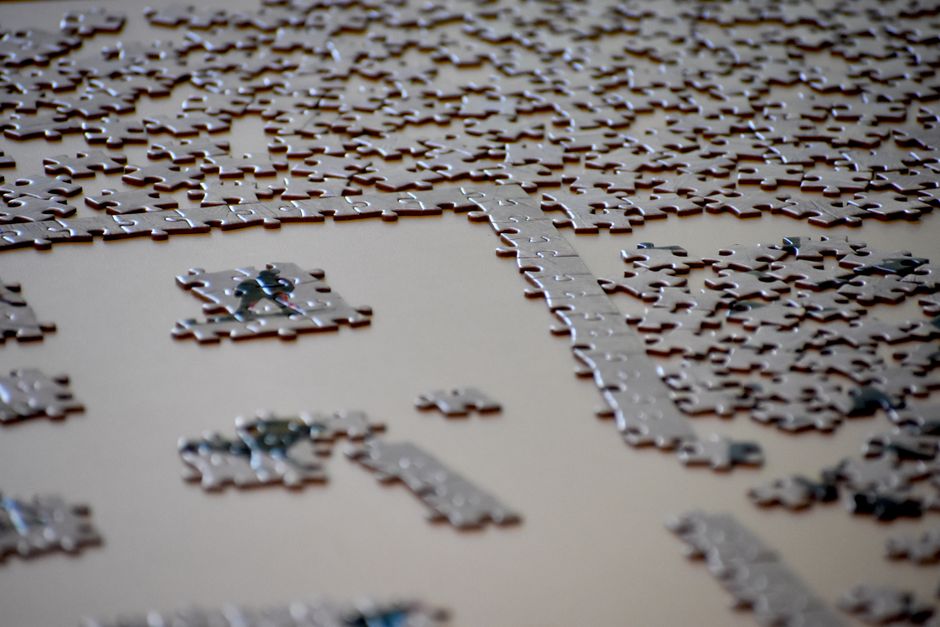

A puzzle swap is a free gathering where neighbors bring complete puzzles they no longer want and take home puzzles that are new to them. Hosting one takes only a date, an invite list, and a few simple rules. The host sets the ground rules for puzzle condition, a bring-one-take-one limit, and a plan for leftovers so the event stays fair and easy to run.
Table of Contents
- What happens at a puzzle swap?
- Who should you invite to a puzzle swap?
- What rules should a puzzle swap have?
- What condition should puzzles be in for a swap?
- How do you set up and run the swap fairly?
- What should you do with leftover puzzles?
- What does a small neighborhood swap look like, and what should the invitation say?
- Key Takeaways
- References
What happens at a puzzle swap?
A puzzle swap is a simple exchange event where guests arrive with puzzles, set them out on tables, browse what others brought, and leave with different puzzles at no cost. The basic flow is easy to manage: guests sign in, sort puzzles by piece count, swap, and then handle any leftovers. According to The Missing Piece Puzzle, a sign-in sheet helps track contributions and keeps the event organized.

Puzzle swaps are budget-friendly and eco-friendly because puzzles get reused instead of tossed into landfills. Bits and Pieces describes puzzle swaps as a practical alternative that keeps puzzles in circulation. Hosts can keep the event small at home or scale it up in a free community space like a library or recreation center.
Who should you invite to a puzzle swap?
Invite only people you know and trust into your home, and do not host a home swap with strangers. The Missing Piece Puzzle advises hosts to keep home events limited to familiar faces for safety and comfort. Start with neighbors, friends, and existing puzzle groups.
Clipping Deals is a free place to list the swap and find local puzzle lovers who may want to join. For larger public events, libraries can help organize and spread the word. Bits and Pieces recommends marketing larger events through local Facebook groups, neighborhood boards, and community calendars.
What rules should a puzzle swap have?
A bring-one-take-one policy is the simplest ground rule for a fair swap. Bits and Pieces recommends this rule so everyone leaves with a fair share. Each person takes home roughly the same number of puzzles they brought.
A ticket system works well for larger groups. Each puzzle brought earns a ticket that can be exchanged for a different puzzle. The Missing Piece Puzzle recommends this system to regulate how many puzzles each person takes home. First-time swaps should cap participants at 1 to 3 puzzles each. A sign-in sheet listing the number and type of puzzles each person brings adds accountability.
What condition should puzzles be in for a swap?
Complete puzzles with no missing pieces should be the standard for the main tables. Bits and Pieces advises against allowing puzzles with missing pieces into the main exchange. Ask guests to bring puzzles in original boxes, with pieces sealed in a zip-lock bag and the box secured with a rubber band.
Set up a separate table for puzzles with missing pieces or damaged boxes so they stay clearly labeled. The Missing Piece Puzzle suggests a designated table for incomplete puzzles. A simple missing-piece label made with tape and a note on the box keeps the main tables trustworthy.
How do you set up and run the swap fairly?
Organize tables by piece count so guests can find what they want quickly. The Missing Piece Puzzle recommends tables for children's puzzles up to 100 pieces, 101 to 299, 300 to 500, 500 to 750, and 1,000-plus, plus a separate incomplete-puzzle table.
For larger crowds, use a number system with four rounds. Divide guests into groups that take turns choosing puzzles. Schedule the swap on a weekend or evening and avoid major holidays to maximize turnout. Consider tying the swap to a community event like a founders day or National Night Out.
What should you do with leftover puzzles?
Offer a donation section at the end of the event for unclaimed puzzles. Bits and Pieces suggests setting aside a donation area so guests can leave puzzles they do not want to take home.
Donate leftovers to local charities, libraries, or community centers. The Missing Piece Puzzle lists these as good options for puzzles that remain after the swap. Save remaining puzzles for a future swap. Decide in advance how unclaimed puzzles that nobody wants for donation will be returned or stored.
What does a small neighborhood swap look like, and what should the invitation say?
A small neighborhood swap might involve a dozen neighbors on a Saturday afternoon with three tables sorted by piece count and one ticket per puzzle brought. The event stays simple and free. Here is a copy-ready invitation:
You are invited to a neighborhood puzzle swap. Bring complete puzzles you no longer want and take home puzzles that are new to you. Date: Saturday. Time: 1 to 3 p.m. Location: Host address. Rules: One ticket per puzzle brought, one puzzle taken per ticket. Puzzles must be complete with no missing pieces. Please bring puzzles in original boxes with pieces in a zip-lock bag. Label boxes with piece count and any missing pieces before arriving. Participation is free. Supplies like bags and rubber bands are optional.
Key Takeaways
- A puzzle swap is a free event where people trade complete puzzles they no longer want for ones that are new to them.
- Hosts should invite only people they know and trust into their home and avoid home swaps with strangers.
- First-time swaps should limit each participant to 1 to 3 puzzles.
- A bring-one-take-one rule or a ticket system keeps the exchange fair.
- Puzzles should be complete, in original boxes, with pieces in a zip-lock bag secured by a rubber band.
- Sort tables by piece count and give incomplete puzzles their own labeled table.
- Leftover puzzles can be donated to charities, libraries, or community centers, or saved for a future swap.
References
- How To Host A Puzzle Swap or Exchange — The Missing Piece Puzzle
- Hosting a Puzzle Swap — Bits and Pieces

