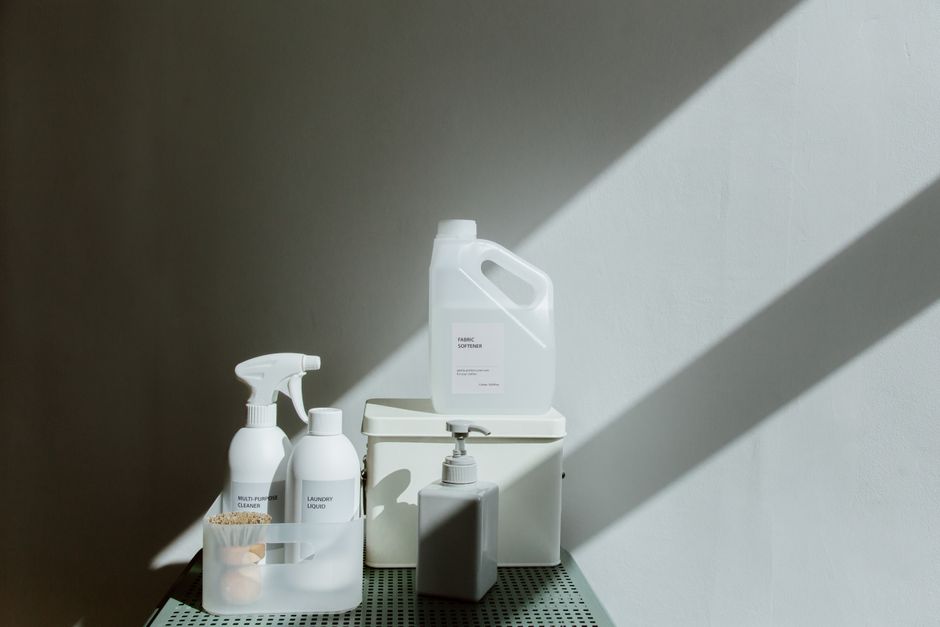

If you have ever pulled a load of towels from the dryer and felt them come out stiff, scratchy, and smelling faintly sour, you have probably already searched for a fix. Using vinegar in laundry is one of the most frequently recommended solutions, and it is not just an old wives' tale. Distilled white vinegar is a proven, affordable, and natural laundry aid that can soften fabrics, neutralize stubborn odors, brighten whites, and strip away the detergent residue that makes clothes feel dingy. But it is not a miracle product you can splash into every load without consequence. This guide draws on expert sources including Whirlpool laundry brand manager Morgan LaLonde, Two Maids director of franchise operations Kathy Cohoon, and Patric Richardson, host of The Laundry Guy on Discovery+, to give you the complete, no-nonsense picture. By the end, you will know exactly when and how to use vinegar in laundry, and when to skip it.
Table of Contents
- What Does Vinegar Actually Do in the Laundry?
- How to Use Vinegar in Laundry (Step-by-Step)
- The 4 Best Uses for Vinegar in Laundry
- Vinegar vs. Commercial Laundry Products: What's the Trade-Off?
- Safety Warnings: When NOT to Use Vinegar in Laundry
- Does Vinegar Damage Your Washing Machine?
- Common Questions About Vinegar in Laundry
- The Bottom Line: Should You Use Vinegar in Laundry?
What Does Vinegar Actually Do in the Laundry?
Distilled white vinegar contains acetic acid, with a pH around 2.5. That acidity is what makes it useful in the wash. Most laundry detergents are alkaline, and over time, alkaline residue builds up on fabric fibers. That residue traps minerals from hard water, holds onto body oils, and leaves clothes feeling stiff and looking dull. Vinegar cuts through that alkaline buildup, dissolving the residue and releasing it into the rinse water.

The same mechanism explains why vinegar neutralizes odors. Sweat, mildew, and the musty smell of clothes left in the washer too long are all alkaline-based odors. Vinegar breaks them down at a molecular level rather than simply masking them with fragrance. The acid also helps dissolve mineral deposits from hard water, which means your detergent can work more effectively in future washes. When it comes to brightening whites, vinegar gently lifts the gray film caused by embedded soil and detergent residue without the harshness of chlorine bleach.
There is an important distinction that many sources get wrong. Vinegar does not soften fabric the way commercial fabric softeners do. Patric Richardson, known as The Laundry Evangelist, explains that commercial softeners work by coating fibers with a thin layer of oils, waxes, or silicones that make them feel slippery and soft. Vinegar works in the opposite way: it removes the residue that causes stiffness, restoring the fabric's natural texture. That means your towels stay absorbent, your microfiber cloths keep working, and your clothes breathe better.
How to Use Vinegar in Laundry (Step-by-Step)
The Right Dosage: How Much Vinegar to Add
The standard recommendation across expert sources is half a cup of white distilled vinegar per load. That amount is sufficient for most softening, brightening, and odor-removal tasks. For heavily soiled or particularly odorous loads, such as sweaty gym clothes or mildew-scented towels, you can increase the dose to one full cup. If you have a high-efficiency machine or are washing a small load, start with a quarter cup and adjust as needed based on results. Do not exceed one cup per load. More vinegar is not more effective, and using too much may leave a faint vinegar scent behind.
When and Where to Add Vinegar in the Wash Cycle

Timing matters. Vinegar is acidic and detergent is alkaline. If you add them together during the wash cycle, they will neutralize each other, and neither will do its job properly. The best method is to pour the vinegar into your machine's fabric softener dispenser. The machine will release it automatically during the final rinse cycle, after the detergent has already been rinsed away.
If your machine does not have a fabric softener dispenser, pause the machine just before the final rinse begins and pour the vinegar directly into the drum. Never pour vinegar into the detergent dispenser or add it at the start of the wash cycle. For pre-treatment soaks, dilute one cup of vinegar in a bucket of cool water, submerge the garments, and let them sit for 30 minutes before washing normally.
How Often Should You Use Vinegar in Laundry?
This is where many online guides fall short. Experts, including those cited in Martha Stewart's updated January 2026 article, recommend using vinegar every other week at most, not for every load. The acetic acid that makes vinegar effective also breaks down elastic fibers over time. Waistbands, bra straps, swimwear, and athletic gear with spandex or elastic components will degrade faster with frequent vinegar exposure. Reserve vinegar for specific needs: tackling odors, brightening dingy whites, or stripping detergent buildup. For routine softening or freshness, alternate with a commercial fabric softener or use wool dryer balls.
The 4 Best Uses for Vinegar in Laundry
1. Natural Fabric Softener (Without the Chemicals)
The stiff, scratchy feel that develops on towels and cotton shirts is usually caused by detergent residue, not by the fabric itself. When you use vinegar in the rinse cycle, it dissolves that residue and leaves fabrics feeling naturally soft. Unlike commercial softeners, vinegar leaves no coating behind. That means towels remain absorbent, microfiber cleaning cloths stay effective at trapping dust, and athletic wear continues to wick moisture properly. This method works especially well on cotton, linen, and synthetic blends. If you have ever noticed that your bath towels seem less absorbent over time, switching from commercial softener to a vinegar rinse can restore them.
2. Odor Elimination (Sweat, Mustiness, Smoke)
Few things are as frustrating as pulling a load of laundry from the machine only to find it still smells sour. That odor is typically caused by bacteria and alkaline compounds that survive the wash cycle. Vinegar neutralizes these odors by bringing the pH back into balance. It is particularly effective on gym clothes saturated with sweat, towels that have developed a musty smell, and garments accidentally left in the washer overnight. For routine odor control, add half a cup of vinegar to the rinse cycle. For stubborn musty odors, pre-soak the items in a solution of one cup vinegar per gallon of cool water for 30 minutes before washing. The vinegar smell dissipates completely during the spin cycle and drying process.
3. Stain Removal (Oil, Grass, Coffee, Rust, Mildew)
Acetic acid breaks down oil-based stains and helps lift them from fabric fibers. Vinegar is effective on grass stains, coffee and tea spills, deodorant marks, and rust spots. For fresh stains, apply undiluted white vinegar directly to the affected area, let it sit for 15 minutes, and then launder as usual. For set-in stains, you can combine vinegar with a baking soda paste for extra stain-fighting power. Apply the paste, let it dry, brush off the excess, and then wash. Note that vinegar works best on oil-based and mineral-based stains. For protein-based stains like blood or egg, cold water and an enzyme-based stain remover will be more effective.
4. Brightening Whites and Removing Dinginess
White cotton shirts, sheets, and towels gradually develop a gray or yellow cast over time. That dinginess comes from detergent residue, hard water minerals, and embedded body oils that regular washing does not fully remove. Vinegar gently strips away that film and restores brightness without the fiber-damaging effects of chlorine bleach. For routine brightening, add half a cup of vinegar to the rinse cycle. For heavily yellowed whites, soak the items in a solution of one cup vinegar per gallon of warm water for one hour, then wash normally. Vinegar is safe for colored fabrics when used in the rinse cycle and will not bleach or fade dyes.
Vinegar vs. Commercial Laundry Products: What’s the Trade-Off?
Vinegar is not a replacement for laundry detergent, and it is important to understand where it excels and where it falls short. For fabric softening, commercial softeners provide a more noticeable, slippery softness because they coat fibers. Vinegar delivers a cleaner, more natural feel by removing residue. Which you prefer is a matter of personal taste, but if you value absorbency in towels or breathability in clothing, vinegar is the better choice.
For stain removal, high-performance detergents like Tide outperform vinegar on protein-based stains such as blood and grass. Vinegar excels on oil-based and mineral-based stains, making it a useful supplement rather than a replacement. On cost, vinegar wins decisively. White distilled vinegar costs roughly three to five cents per load, compared to fifteen to thirty cents for fabric softener or a dedicated stain remover. Over a year of weekly laundry, the savings add up.
Environmentally, vinegar is biodegradable, non-toxic, and typically packaged in recyclable glass or plastic. Commercial laundry products often contain synthetic fragrances, dyes, preservatives, and petroleum-derived ingredients. If reducing your household's chemical footprint matters to you, vinegar is a meaningful swap.
Safety Warnings: When NOT to Use Vinegar in Laundry
The most critical safety rule is this: never mix vinegar with bleach or chlorine bleach. The combination produces toxic chlorine gas, which can cause severe respiratory damage, coughing, burning eyes, and in high concentrations, serious lung injury. If you use bleach in a load, skip the vinegar entirely.
Avoid using vinegar on garments with elastic components. Sportswear, swimwear, bra straps, waistbands, and compression garments all contain elastic fibers that acetic acid will degrade over time. Occasional use may not cause immediate damage, but regular exposure will shorten the lifespan of these items. Do not use vinegar on silk or wool. The acidity can damage delicate protein fibers, causing them to become brittle, lose their luster, or even dissolve.
Limit vinegar use to every other week at most. Even on sturdy cotton fabrics, frequent acid exposure can gradually weaken fibers. Whirlpool's laundry brand manager Morgan LaLonde advises a conservative approach, recommending that vinegar be used primarily for pre-treating stains and odors rather than added directly to the machine. If you do add it during a cycle, always use the fabric softener dispenser or add it during the rinse, never directly into the drum at the start of a wash.
Does Vinegar Damage Your Washing Machine?
When used correctly, vinegar is generally safe for both standard and high-efficiency washing machines. The amount of acid in half a cup of vinegar, diluted across a full rinse cycle of water, is not corrosive to stainless steel drums or rubber seals. However, frequent or undiluted use can degrade rubber hoses and gaskets over time. The best practice is to limit vinegar use to every other week and to periodically wipe down the rubber door seal on front-loading machines to remove any residue.
For front-loaders specifically, a monthly cleaning cycle with vinegar can help remove mold and mineral buildup inside the machine itself. Run an empty cycle on the hottest setting with two cups of vinegar added to the drum. This helps clean the interior components and keeps the machine smelling fresh. Just do not do this too often, as the concentrated acid can stress the rubber parts.
Common Questions About Vinegar in Laundry
Can I use apple cider vinegar instead of white vinegar?
White distilled vinegar is the standard recommendation for laundry. It is clear, so it will not stain or tint light fabrics. It has a neutral scent that dissipates completely during the rinse and drying process. Its acidity is consistent at five percent, which makes dosing predictable. Apple cider vinegar may work in a pinch, but it carries a stronger smell and can leave a slight brownish tint on light-colored fabrics. Cleaning vinegar, which has a higher acidity of six to ten percent, is too strong for routine laundry use and should be reserved for household cleaning tasks.
Will my clothes smell like vinegar?
No. The vinegar scent dissipates completely during the spin cycle and drying process. If you notice a lingering vinegar smell on your clothes, you are likely using too much. Reduce the amount to a quarter cup per load and make sure you are adding it during the rinse cycle, not the wash cycle.
Can I use vinegar with laundry detergent?
Yes, but only if you add them at the correct times. Detergent goes in the wash cycle. Vinegar goes in the rinse cycle. Adding them together neutralizes both, reducing cleaning effectiveness and leaving you with clothes that are neither clean nor soft.
Does vinegar work in hard water?
Vinegar is especially effective in hard water areas. Hard water contains dissolved minerals, primarily calcium and magnesium, that bind with detergent and form a residue on fabrics. Vinegar dissolves those mineral deposits, helping to release trapped detergent residue and restore fabric softness. If you have hard water, you may need to increase the dosage to three-quarters of a cup per load for best results.
Is vinegar safe for cloth diapers?
Yes, in moderation. Use a quarter cup of vinegar in the rinse cycle to neutralize ammonia odors and help strip detergent buildup from the absorbent layers. Avoid frequent use on diapers with elastic leg bands, and never combine vinegar with bleach when washing diapers. The acid can also help restore absorbency to microfiber inserts that have developed buildup from diaper creams and detergents.
The Bottom Line: Should You Use Vinegar in Laundry?
Vinegar is a versatile, inexpensive, and genuinely effective laundry aid, but it is not a miracle solution. It works best for odor removal, brightening whites, softening towels, stripping detergent residue, and treating oil-based stains. It is not ideal for every-load use, elastic garments, silk or wool, or as a replacement for quality detergent. Use it every other week as a supplement to your regular laundry routine, follow the safety guidelines, and add it during the rinse cycle only. When used correctly, vinegar can extend the life of your clothes, reduce your reliance on synthetic chemicals, and save you money, all for pennies per load.

