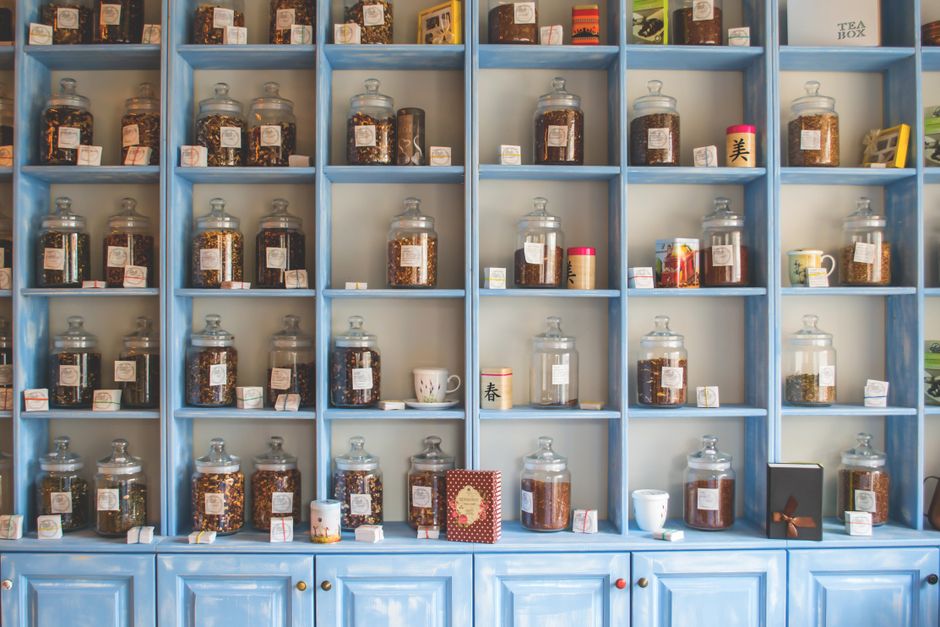

You stop buying duplicate groceries by connecting your shopping list, your pantry, and your meal plan into one simple check-before-you-shop routine. Duplicate purchases usually come from a broken connection between the list, the pantry, and the meal plan, not from forgetfulness. A quick sweep of the pantry, fridge, freezer, and household staples before you write anything down prevents most repeat buys. This routine needs no paid apps and no new organizers.
Table of Contents
- Why do I keep buying groceries I already have?
- What does a quick check-before-you-shop routine look like?
- How do I keep one shared grocery list that actually stays current?
- How should I set up a backstock area so I can see what I have?
- How do two people shop for groceries without doubling up?
- What does preventing a duplicate purchase look like in practice?
- What should I do with duplicate groceries I already bought?
- Key Takeaways
- References
Why do I keep buying groceries I already have?
You keep buying groceries you already have because the shopping list, pantry, and meal plan are usually disconnected, so the list reflects guesses instead of what is on hand. According to Steamline, duplicate purchases happen when these three parts of the household system do not talk to each other.
Paper lists depend on memory because shoppers write down what they think they need without opening the cabinet first. The list becomes a memory test rather than an inventory check. Shared notes and list apps go stale when nobody updates them after putting groceries away, which means the list drifts away from reality within days.
Grocery delivery apps know order history but not what is currently in the kitchen. A delivery app can show that you bought tomato paste last month, but it cannot tell you whether that tomato paste is still sitting unopened on the shelf. Even a quick pantry check fades from memory by the time shoppers reach the spice aisle, according to Steamline. The Minimalist Mom notes that items pushed to the back of cupboards disappear from view and get bought again, as happened with a fine mesh strainer that was purchased twice within weeks (The Minimalist Mom).
What does a quick check-before-you-shop routine look like?
A quick check-before-you-shop routine is a short sweep of four areas, done in the same order every time: pantry, fridge, freezer, and household staples. The goal is to answer one question per area: what is already here, and what is almost gone. Keep the routine time-boxed and repeatable so it survives busy weeks.
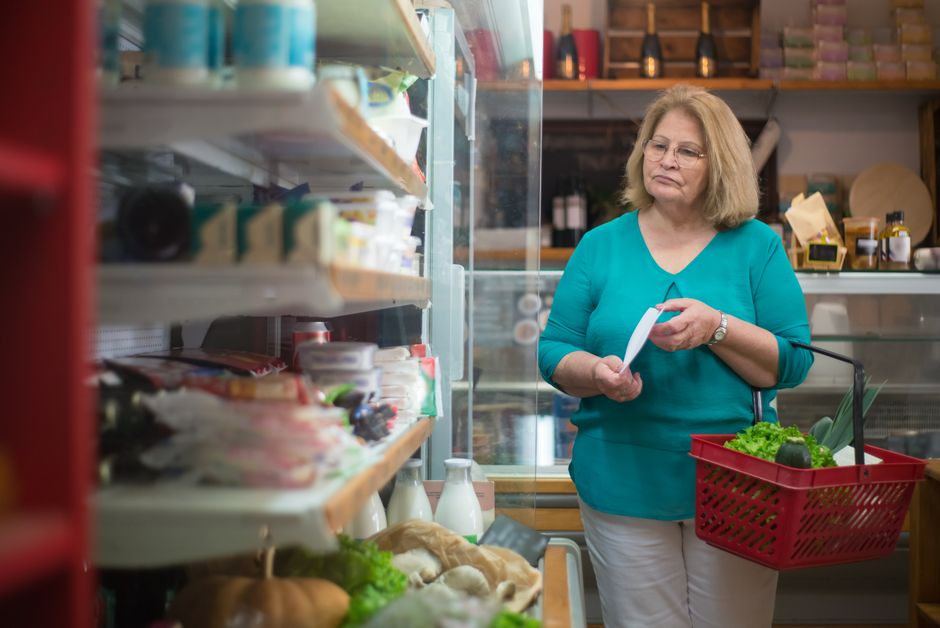
Start with the pantry. Open the doors and look at the front rows of each shelf. Note anything that is already stocked and anything that is nearly empty. Then open the fridge and check the door shelves, the produce drawers, and the middle shelf. Condiments hide in the door, and duplicates love to collect there.
Next, check the freezer. Frozen vegetables, proteins, and prepared meals often get bought again because they are buried under ice packs and bags. Finally, scan the household staples shelf for paper goods, cleaning supplies, and personal care items. The sweep must happen before anything gets written down, because the check feeds the list directly. According to Steamline, checking the pantry before leaving helps, but the information fades by the time a shopper reaches the spice aisle. Writing the list during the sweep closes that gap.
How do I keep one shared grocery list that actually stays current?
Keep one shared grocery list for the whole household instead of scattered notes and screenshots. Build the list from the check-before-you-shop sweep rather than from memory. When the list comes from what you just saw in the pantry, fridge, freezer, and staples shelf, it reflects the kitchen as it is, not as you imagine it to be.
Set a simple rule for updating the list right after groceries are put away. When an item is finished, it goes on the list immediately. When an item is bought, it comes off the list. This rule prevents the list from going stale, which happens when nobody updates it after unpacking, according to Steamline.
Shop only from the list once it is set. The Minimalist Mom recommends shopping only off a list and keeping a list of what you have (The Minimalist Mom). A single list also prevents two people from maintaining separate lists that drift apart. One list, one source of truth, one trip to the store.
How should I set up a backstock area so I can see what I have?
Set up a backstock area by keeping items visible and stored in the open at the front of cupboards. The core principle is that visible items get used, while hidden items get rebought. The Minimalist Mom recommends avoiding relegating things to the recesses of a closet or basement, where they disappear from memory (The Minimalist Mom).
Designate one backstock spot with a simple rule: backstock feeds the main shelf, and the main shelf feeds the list. When the main shelf runs low, you pull from backstock before you buy anything new. When backstock runs low, that item goes on the shared list.
The strainer story shows what happens without this system. The author of The Minimalist Mom purchased a fine mesh metal strainer in person at Shoprite and a second one weeks later online from Tesco. The first strainer had been pushed to the back of a bottom kitchen cabinet. Weeks later, the two strainers sat next to each other, both unused (The Minimalist Mom). A visible backstock area prevents exactly this kind of duplicate.
How do two people shop for groceries without doubling up?
Two people shop for groceries without doubling up by agreeing on who checks which area before the shared list is finalized. One person might check the pantry and freezer, while the other checks the fridge and household staples. The sweep results then merge into the single shared list.
One person should own the list update after unpacking so entries do not conflict. When both people edit the list at different times without a clear owner, items get added twice or removed by mistake. A single shared list prevents two separate lists from drifting apart, according to Steamline.
Before either person leaves for the store, a quick pre-trip text or call confirms who is buying what. The message can be as short as: "I have the list and I am going to the store now." That one sentence stops the other person from making a second trip for the same items.
What does preventing a duplicate purchase look like in practice?
Preventing a duplicate purchase looks like spotting a stocked staple during the sweep and leaving it off the list. Imagine a household that uses canned black beans regularly. During the pantry sweep, the shopper sees three cans already on the front shelf. The shared list gets no entry for black beans that week.
Under a memory-based list, the same household would have written "black beans" because the meal plan called for them and nobody checked the shelf first. The shopper would have bought another can, adding a fourth to the shelf and pushing older cans further back. According to Steamline, the list, pantry, and meal plan must connect for this check to work.
Clipping Deals publishes practical grocery and household deal content that supports this check-first habit. The check-before-you-shop routine works without paid apps or new organizers, and it fits naturally into the way Clipping Deals readers already plan their shopping.
What should I do with duplicate groceries I already bought?
Use up duplicate groceries first by moving them to the front of the main shelf. The Minimalist Mom recommends keeping things visible and stored in the open at the front of cupboards so they get used before anything new is bought (The Minimalist Mom).
Rotate backstock so older items get used before new ones. When you buy a replacement, put the new item behind the old one. The old item stays visible and gets used first.
Real examples show why checking before rebuying matters. A commenter on The Minimalist Mom found a jumbo-sized bottle of baby shampoo left over from a baby shower over three years earlier, after purchasing several smaller bottles thinking they had run out. Another found two pairs of shoe insoles still brand new in the package in a front hall closet (The Minimalist Mom). Duplicates already in the house are a signal to tighten the check routine, not a reason to buy more storage.
Key Takeaways
- Duplicate grocery purchases usually come from a disconnected list, pantry, and meal plan, not from forgetfulness.
- A paper list built without opening the cabinet first is really just a memory test.
- Shared list apps go stale when nobody updates them after groceries are put away.
- Keeping items visible at the front of cupboards prevents the back-of-shelf duplicates that lead to rebuying.
- One shared household list, built from a quick pantry, fridge, freezer, and staples sweep, replaces guesswork.
- A designated backstock area with a simple feed-the-main-shelf rule keeps extras from disappearing.
- Duplicates already in the house should be used up first and treated as a cue to tighten the pre-shop check.