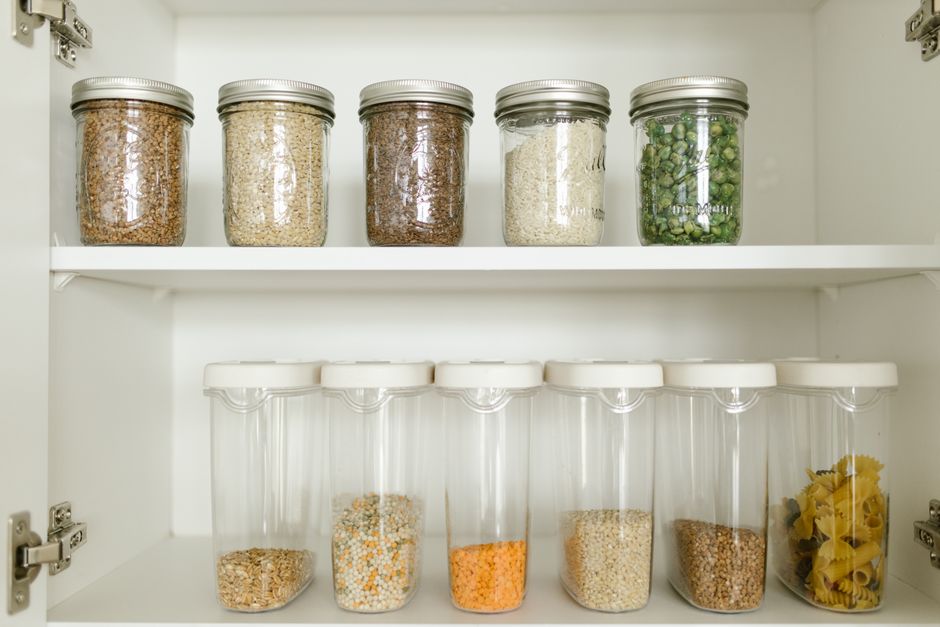

A pantry cleanout grocery list is a short top-up list built around food you already own, not a full restock. The process is repeatable: take inventory of what is on hand, pick meals from those items, note only the missing ingredients, and buy versatile foods that fill more than one gap. This keeps spending low and prevents duplicate purchases.
Table of Contents
-
What should I check before writing a pantry cleanout grocery list?
-
Which purchases are worth adding because they work in many meals?
What should I check before writing a pantry cleanout grocery list?
Start by purging expired or unused items and noting what is left. Nourished by Nutrition recommends a pantry purge of expired or unused items and highly processed foods before restocking. Removing clutter first makes the remaining food visible and usable.
Check the pantry, fridge, and freezer as three separate zones. Food Network organizes its pantry checklist into pantry, refrigerator, and freezer sections. Treating each zone separately prevents you from forgetting frozen proteins or fridge condiments that could anchor a meal.
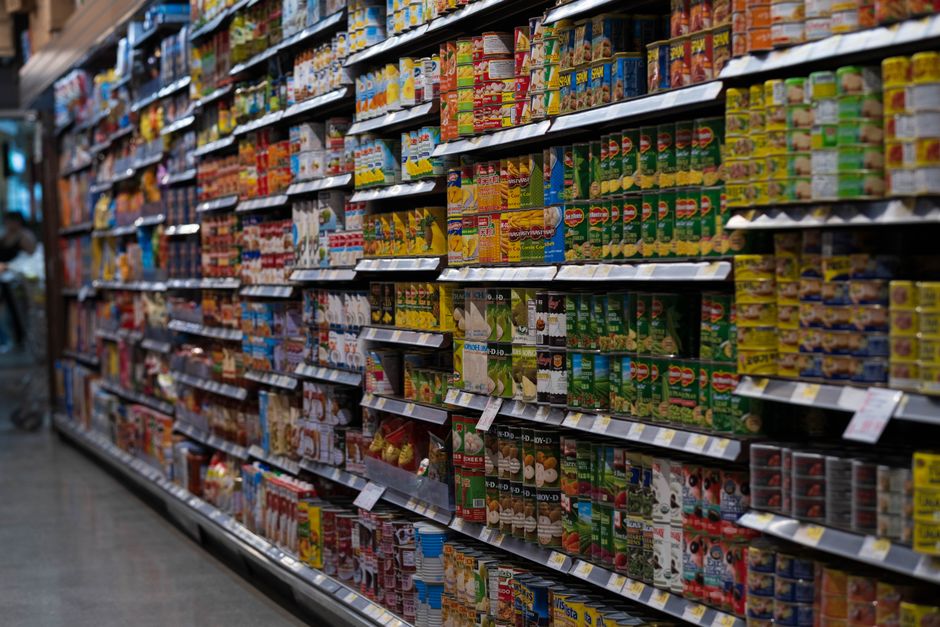
The Pioneer Woman cleans out her pantry two or three times a year and checks expiration dates. That habit works well during inventory because it catches items that look fine but are past safe use. Copy that routine each time you build a cleanout list.
Pantry staples are defined as foods stored in the pantry, fridge, or freezer that stay fresh for at least two weeks, according to Nourished by Nutrition. That time window matters. An item is only usable for a cleanout plan if it will still be good when you cook it.
How do I turn what I already have into a short meal plan?
Group found items into meal building blocks: a protein, a grain or starch, a vegetable, and a flavor base. That simple structure turns random pantry finds into complete meals without forcing a big shopping trip.
Food Network’s canned goods list shows how pantry finds combine into meals. Broth, beans, tomatoes, and tuna can become soups, chilis, pasta sauces, or rice bowls. Canned vegetables like corn or green beans add bulk, while olives, capers, and salsa add flavor without fresh ingredients.
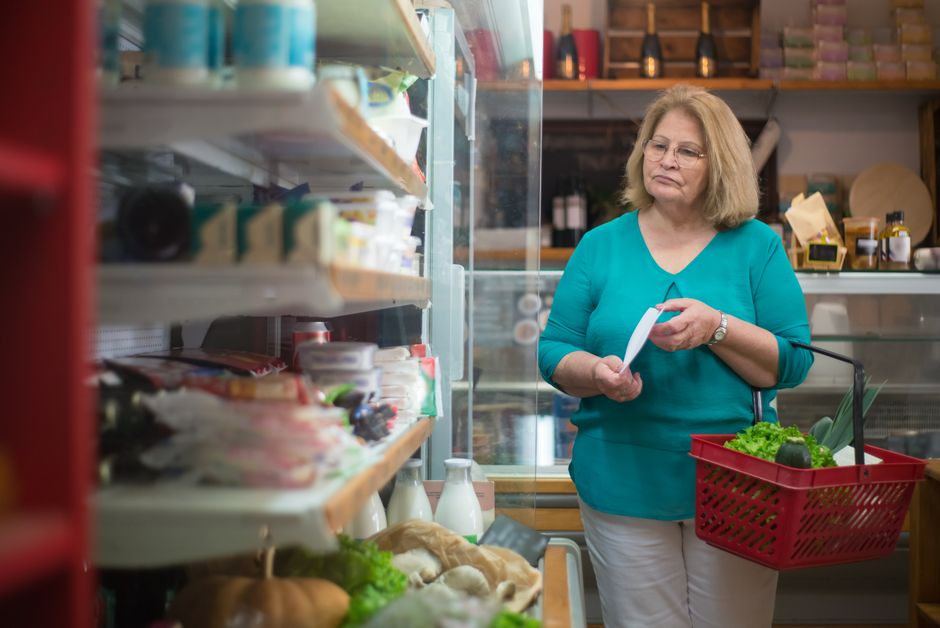
Freezer items can anchor a week of dinners. Food Network lists ground beef, ground turkey or Italian sausage, boneless skinless chicken breasts, bacon, and bread as freezer staples. One frozen protein plus one pantry grain and one canned vegetable creates several different meals.
Keep the plan to a handful of meals so the shopping list stays small. Three to five meals is usually enough for a cleanout week. That limit forces you to use what is already in the house instead of buying for hypothetical meals.
How do I spot the missing ingredients without overbuying?
Use the gap method: write each planned meal, then list only the items not already on the inventory. If a meal needs chicken, rice, tomatoes, and onions, and you already have the first three, only onions go on the list. That single step prevents most overbuying.
Avoid re-buying staples that are already stocked. A common cleanout mistake is adding salt, oil, or canned tomatoes out of habit. Check the inventory before writing any item down.
The Pioneer Woman treats her list as staples to be filled in with perishables like produce, eggs, and milk on a weekly basis. That approach keeps top-up trips small. The cleanout list should only include perishables and a few missing pantry items, not a full restock.
Mark each gap as must buy or nice to have. Must buy items are required for a planned meal. Nice to have items would improve a meal but are not essential. Keeping the must buy column short makes the trip faster and cheaper.
Which purchases are worth adding because they work in many meals?
Versatile basics from Food Network’s nine-item list support many dishes. Kosher salt, extra virgin olive oil, and vinegars like apple cider vinegar or unseasoned rice vinegar show up in dressings, marinades, roasted vegetables, and grain bowls. If one of these is missing, it is worth buying.
Canned beans, tomatoes, and broth are multi-use items that cover several meals at once. Food Network includes beans like chickpeas or black beans, canned tomatoes, tomato paste, and chicken broth in its canned goods list. Those four items can become soup, chili, pasta sauce, or a rice skillet.
Longer-lasting produce stretches multiple meals. Nourished by Nutrition lists onions, garlic, carrots, potatoes, cabbage, and sweet potatoes as produce that stays fresh for weeks. Buying a few of these means you always have a vegetable on hand without daily shopping.
Buy canned fish packed in water rather than oil. The She’s In Her Apron video recommends that choice. Water-packed tuna or salmon is leaner and works in more dishes without adding extra oil to the pan.
What does a worked pantry cleanout list look like?
One example household finds canned chickpeas, rice, frozen chicken breasts, canned tomatoes, and partial spices during inventory. Those items can become three meals: chickpea and rice bowls, chicken and tomato skillet with rice, and a simple tomato and chickpea soup.
The gaps for those meals are onions, garlic, broth, and one fresh vegetable like spinach or green beans. Onions and garlic add flavor to all three meals. Broth is needed for the soup and improves the skillet. The fresh vegetable adds texture and nutrients to the bowls and skillet.
The final short list is: onions, garlic, chicken broth, and one fresh vegetable. Each item earned a spot because it is required for at least one planned meal and works across the others. Nothing on the list duplicates what the household already owns.
Clipping Deals publishes grocery deals and coupon listings at clippingdeals.com that can help stretch this top-up list. Checking available deals before shopping can lower the cost of the few items on the list without changing the meal plan.
How should I store new and existing staples so they last?
Store new purchases with shelf life in mind. Canned chicken can last up to 5 years in the pantry, according to the She’s In Her Apron video. Most canned goods last at least one to two years, but checking dates and rotating older items forward helps.
The She’s In Her Apron video recommends storing rice in Mylar bags with an oxygen absorber inside a food-grade bucket. Dried beans store well in a 1-gallon or 5-gallon bucket with a tight-fitting lid. Those methods protect dry goods from moisture and pests.
The Pioneer Woman’s printable list is organized by pantry, fridge, and freezer. That layout doubles as a storage map. Keeping like items together in the correct zone makes the next inventory faster and prevents food from being forgotten.
Date new purchases so the next cleanout is easier. A permanent marker and a strip of masking tape are enough. Write the purchase month and year on cans, jars, and freezer bags before putting them away.
How often should I repeat this cleanout and top-up cycle?
Repeat the cleanout two or three times a year, following The Pioneer Woman’s routine. That cadence catches expired items before they pile up and keeps the pantry from becoming cluttered.
Weekly perishable top-ups plus periodic pantry resets keep lists small year-round. The Pioneer Woman notes that her staple list is meant to be filled in with fresh produce, eggs, and milk on a weekly basis. The cleanout list handles the bigger reset.
Nourished by Nutrition’s pantry purge guidance fits naturally into each reset. Removing expired or unused items and highly processed foods before restocking makes the next top-up list shorter and more accurate.
Keep the cycle practical for 2026 budgets. A short list built from inventory costs less than a full restock and reduces food waste. The goal is not a perfect pantry but a usable one.
Key Takeaways
-
A pantry cleanout grocery list is a short top-up list built around food already on hand, not a full restock.
-
Start by checking pantry, fridge, and freezer separately and removing expired or unused items.
-
Pantry staples are foods stored in the pantry, fridge, or freezer that stay fresh for at least two weeks.
-
Plan a few meals from what you own, then list only the missing ingredients for those meals.
-
Versatile basics like salt, olive oil, vinegar, canned beans, tomatoes, and broth fill gaps across many meals.
-
Canned chicken can last up to 5 years in the pantry, and rice stores well in sealed Mylar bags with an oxygen absorber.
-
Cleaning out the pantry two or three times a year keeps future shopping lists short.
References
-
A Complete Checklist of Pantry, Refrigerator and Freezer Essentials — Food Network, 2026-03-13
-
A Handy-Dandy Printable List to Stock Up the Pantry — The Pioneer Woman
-
Stock These 50 Foods and Never Stress About Dinner Again — She’s In Her Apron, 2024-10-20
-
How To Stock a Healthy Pantry — Nourished by Nutrition