

If you have been searching for free cable TV for seniors, you are not alone, and the good news is that cutting costs is easier now than it was even a year ago. The average cable bill in the United States has climbed past $120 a month, and for many retirees on a fixed income, that number is simply too high. This guide walks you through every realistic path to free or deeply discounted television, from over-the-air antennas and free streaming apps to hidden carrier perks and senior-specific provider discounts. By the end, you will know exactly which option fits your budget, your viewing habits, and your comfort level with technology.
Table of Contents
- Why Seniors Are Ditching Traditional Cable in 2026
- What "Free Cable TV for Seniors" Actually Means (The Full Breakdown)
- Best Senior Discounts from Major Cable and Satellite Providers
- How to Get Free Cable TV for Seniors (Step-by-Step Guide)
- The Best TV Service for Seniors Who Need Simplicity
- Low-Income Assistance Programs for Seniors (Overlooked by Competitors)
- Frequently Asked Questions About Free Cable TV for Seniors
- Final Verdict: Is Cutting the Cord Right for You?
Why Seniors Are Ditching Traditional Cable in 2026
The cost crisis in cable television has reached a breaking point. One YouTube creator documented saving $169 every month just by cutting DIRECTV and switching to a combination of free alternatives. That is over $2,000 a year back in the bank, and the savings do not require giving up the shows you love. The math is simple: cable and satellite companies have raised rates year after year while adding channels most people never watch.
At the same time, over-the-air television has quietly entered a golden age. Modern digital antennas pull in 70 or more channels in high definition, including ABC, CBS, NBC, Fox, PBS, and a growing number of sub-channels dedicated to classic movies, game shows, and local weather. There is no monthly bill, no contract, and no internet connection required. The picture quality is often better than what cable delivers because the signal is not compressed the way cable and streaming services compress theirs.

Streaming has also matured to the point where a single device like a Roku or Amazon Fire Stick can replace an entire cable box. The challenge for many seniors is not a lack of options but an overwhelming number of them. The key is simplification, and this guide will show you exactly how to set up a system that feels familiar and easy to use.
Senior-specific discounts from major providers are real and can save hundreds of dollars per year, but they are rarely advertised prominently. DISH, Xfinity, and Spectrum all have offers tailored to customers 55 and older, and understanding these deals is the first step toward cutting your bill without cutting the cord entirely.
What "Free Cable TV for Seniors" Actually Means (The Full Breakdown)
The phrase free cable TV for seniors needs a clear definition because "free" rarely means zero dollars in every sense. What it does mean is eliminating the monthly bill that drains your checking account. For some seniors, that means a one-time equipment purchase with no ongoing costs. For others, it means taking advantage of free streaming services supported by ads. And for a lucky group, it means tapping into perks that mobile carriers and retailers already include with services you pay for anyway.
The antenna solution is the closest thing to truly free television after a small upfront investment. A quality indoor antenna costs between $30 and $60 and delivers local broadcast channels forever with no monthly fee. Models like the Mohu Leaf for urban areas or the Antennas Direct ClearStream for rural locations connect to your TV in minutes and require no technical expertise. Once it is set up, you simply change the input on your remote and watch live TV the way you always have.
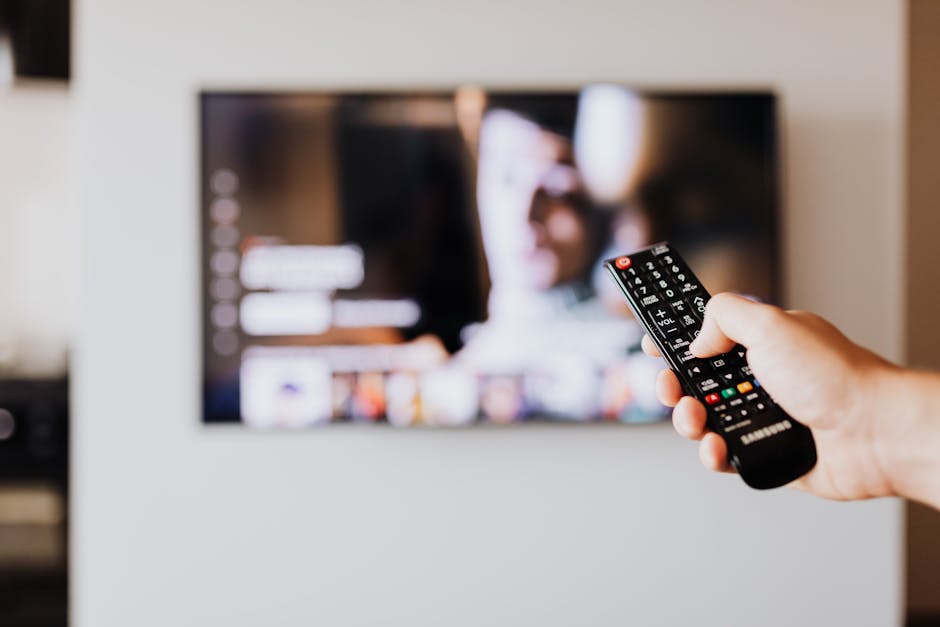
Free ad-supported streaming services have exploded in popularity and quality. Pluto TV offers hundreds of live channels organized in a cable-style grid, including news from CBSN and NBC News Now, classic TV channels running shows like Gunsmoke and The Andy Griffith Show, and dedicated movie channels. Tubi has an enormous on-demand library of films and series with surprisingly short ad breaks. Amazon Freevee, Peacock's free tier, and the Roku Channel all add to the pile of content available without a credit card.
The hidden freebies are where this guide goes beyond what other sites cover. T-Mobile customers on qualifying plans receive Apple TV+, MLB TV, and MLS Season Pass at no additional charge. If you or a family member on your plan already pays for T-Mobile, these perks are sitting there waiting to be activated. Walmart+ members get Paramount+ included, and many public libraries now offer free access to streaming services like Kanopy and Hoopla with just a library card.
Best Senior Discounts from Major Cable and Satellite Providers
DISH: The 55+ Senior Discount (Most Generous Offer)
DISH has built the most complete senior discount in the industry, and it is available to anyone 55 and older. Packages start at $89.99 per month with a two-year price lock, which means your rate will not increase for the length of the contract. That predictability alone is valuable for seniors managing a fixed budget.
The value adds up quickly when you break down the extras. DISH includes free monthly movie rentals valued at $165 over two years. Technical support visits, which normally cost $95 each, come at no charge under this plan. DISH Protect Plus, a $12.99 monthly value that covers equipment and provides premium support, is free for the first six months. All told, DISH calculates the total savings at over $400 across two years compared to their standard packages.
This plan is best for seniors who want a traditional television experience with a DVR, live sports, cable news, and no learning curve. The Hopper DVR lets you record up to 16 shows at once and skip commercials, and the voice remote simplifies searching for programs.
Xfinity: Internet and TV Bundles for Seniors
Xfinity does not market a single "senior plan" the way DISH does, but their Internet Essentials program and lower-tier TV packages combine to create affordable options for older adults. Bundles with internet and a limited TV lineup typically start between $50 and $70 per month depending on your region.
The accessibility features set Xfinity apart. Their voice remote includes large buttons and a simplified layout that reduces confusion. The on-screen guide can be adjusted for larger text, and the voice search function works well for seniors who struggle with typing on a remote. The catch is that pricing varies significantly by address, and Xfinity often requires a credit check or deposit for new customers.
Spectrum: No-Contract Senior Packages
Spectrum appeals to seniors who hate long-term commitments and surprise fees. They do not require annual contracts, and their pricing includes a free HD box with no additional equipment fees in most markets. Where available, the Spectrum Senior Select package runs under $50 per month and includes a curated channel lineup focused on news, entertainment, and lifestyle programming rather than sports-heavy bundles that drive up costs.
The straightforward billing and lack of hidden fees make Spectrum a strong choice for seniors who have been burned by promotional rates that expire and double without warning. You can cancel anytime without penalty, which gives you leverage if a better deal comes along.
DIRECTV: AARP Discounts and Streaming Options
DIRECTV offers AARP members up to $10 off per month on select packages, a discount that stacks over time. More interesting for seniors looking to simplify is DIRECTV via Internet, a streaming version of the service that works through your existing internet connection without a satellite dish. This eliminates the need for professional installation and roof-mounted equipment, which can be a barrier for renters or seniors in retirement communities.
The channel selection remains robust, and the interface will feel familiar to anyone who has used DIRECTV before. The AARP discount applies to both the satellite and streaming versions, so you can choose the delivery method that works for your living situation.
How to Get Free Cable TV for Seniors (Step-by-Step Guide)
Step one is to assess what you are actually paying for. Pull out your most recent cable bill and circle every channel you watch in a typical week. Most people discover they regularly view fewer than 15 channels while paying for 200 or more. This exercise alone often motivates the switch to a cheaper setup.
Step two is installing a digital antenna. For urban and suburban seniors, an indoor flat antenna like the Mohu Leaf or Channel Master FLATenna costs around $30 and picks up stations within a 30 to 40-mile range. For rural areas, a larger outdoor or attic-mounted antenna like the Antennas Direct ClearStream 2V extends that range to 60 miles or more. Connect the antenna to your TV's coaxial input, run a channel scan from the TV menu, and within minutes you will have live local channels in high definition.
Step three is choosing a streaming device if you want to add free apps to the mix. Roku is the most senior-friendly option with its simple remote, large on-screen tiles, and complete lack of ads on the home screen. The Amazon Fire Stick offers excellent voice control through Alexa, which helps seniors who find typing or navigating menus difficult. Apple TV is the most expensive at around $129 but integrates beautifully with iPhones and iPads if you already use Apple products.
Step four is adding free streaming apps. Limit yourself to three to five apps to avoid overwhelm. A solid starter setup includes Pluto TV for live channels in a cable-like grid, Tubi for on-demand movies and shows, and Peacock's free tier for NBC programming and classic series. If you have a library card, add Kanopy for critically acclaimed films and documentaries.
Step five is considering a hybrid approach if you cannot quite give up certain cable channels. Keep an inexpensive internet-only plan, use your antenna for local channels, and add one skinny streaming bundle. Philo costs $25 per month and includes 70 channels focused on entertainment and lifestyle, including Hallmark, History, and AMC. Sling TV starts at $40 per month and adds sports and news channels like ESPN and CNN. This combination often cuts the total bill by 60 percent or more compared to traditional cable.
The Best TV Service for Seniors Who Need Simplicity
The remote control problem is real and under-discussed. Many seniors struggle with 50-button remotes that have tiny labels and functions they will never use. The solution is either a simplified universal remote or a streaming device with voice control built in. The Roku Voice Remote and Fire TV Alexa Remote both let you speak a show title or channel name instead of navigating menus. For seniors with dexterity challenges, third-party remotes like the Flipper Big Button Remote strip everything down to essentials: power, volume, channel, and input.
Interface design matters just as much as hardware. Roku's home screen uses large, clearly labeled tiles with no distracting advertisements or recommendations cluttering the view. Apple TV is similarly clean but costs more. The Amazon Fire Stick, while capable, pushes Amazon content aggressively and can confuse users who accidentally click into paid subscriptions or rental offers.
The one-box solution is ideal for seniors who want to avoid switching inputs and juggling multiple remotes. The TiVo Stream 4K integrates antenna channels, streaming apps, and a voice remote into a single interface. Tablo takes a different approach by connecting an antenna to your home network and streaming live TV to any device, including Roku and Fire Stick, with a traditional grid guide that looks exactly like cable.
Real-world advice from the AARP community reinforces a simple principle: seniors prefer setups they can set and forget. No switching inputs, no multiple remotes, no pop-up ads asking for credit card information. The best system is the one that disappears into the background and just works when you press the power button.
Low-Income Assistance Programs for Seniors (Overlooked by Competitors)
Government and utility assistance programs can reduce or eliminate the cost of internet and television for qualifying seniors, yet almost no other guide covers this angle. The Lifeline program, administered by the FCC, provides a $9.25 monthly discount on phone or internet service for seniors who participate in Medicaid, Supplemental Security Income, or other federal assistance programs. While Lifeline does not directly cover television, applying that discount to your internet bill frees up money for a streaming service or antenna setup.
The Affordable Connectivity Program, if Congress has extended funding into 2026, provides up to $30 per month off internet service for qualifying households, with the discount rising to $75 on tribal lands. Combined with Lifeline, this can bring internet costs to zero for eligible seniors, which then enables free streaming through the apps and devices described earlier.
Local utility assistance varies by state and provider. Comcast Internet Essentials offers internet for $9.95 per month to seniors on public assistance, and Spectrum Internet Assist provides a similar low-cost tier. Some municipal broadband networks and rural electric cooperatives have begun offering free or reduced-cost internet to seniors over 65 as part of community connectivity initiatives.
Applying for these programs follows a straightforward three-step process. First, check your eligibility by visiting the Lifeline National Verifier website or calling your current internet provider and asking about low-income senior plans. Second, gather your documents: proof of participation in a qualifying program like Medicaid or SNAP, a government-issued ID, and a recent utility bill or lease showing your address. Third, apply online through the National Verifier portal or by mailing a paper application, which you can request by phone. Approval typically takes two to four weeks.
Frequently Asked Questions About Free Cable TV for Seniors
Can seniors really get cable TV for free? Yes, through a combination of a digital antenna for local channels and free streaming apps like Pluto TV and Tubi for additional content. There is no monthly bill required, only a one-time equipment purchase.
What is the cheapest cable TV for seniors? Spectrum Senior Select, where available, runs under $50 per month with no contract. DISH 55+ starts at $89.99 per month with a two-year price lock and significant free extras.
Is there a free TV service for seniors with no internet? A digital antenna works completely offline and delivers major broadcast networks plus sub-channels in high definition with no internet connection needed.
Do I need a smart TV to get free TV? No. Any television with an HDMI port can use a streaming stick that costs as little as $30, and any TV with a coaxial input can connect directly to an antenna.
What is the easiest streaming device for seniors? Roku consistently ranks as the most senior-friendly option due to its simple remote, large on-screen tiles, lack of home screen advertisements, and the ability to enlarge text in the accessibility settings.
Final Verdict: Is Cutting the Cord Right for You?
If you watch only local news, network shows, and an occasional classic movie, go completely free with an antenna and a handful of streaming apps. Your total cost will be somewhere between $30 and $60 one time, and you will never see another cable bill.
If you want live sports, cable news, and a modest selection of entertainment channels, the hybrid approach delivers the best value. Combine an antenna for local channels with Philo at $25 per month or Sling at $40 per month, and you will still save $80 to $100 per month compared to a traditional cable package.
If you want a traditional cable experience with a DVR, premium support, and no technology learning curve, the senior discounts from DISH and Spectrum are the most cost-effective paths. DISH 55+ offers the most complete package of savings and extras, while Spectrum provides contract-free flexibility.
The only wrong choice is doing nothing while your cable bill climbs higher every year. Pull out your current bill, circle the channels you actually watch, and try an antenna for 30 days. Most major retailers accept returns on antennas if the reception in your area does not meet expectations. The savings start the moment you make the switch, and in 2026, there has never been a better time to take control of your television costs.