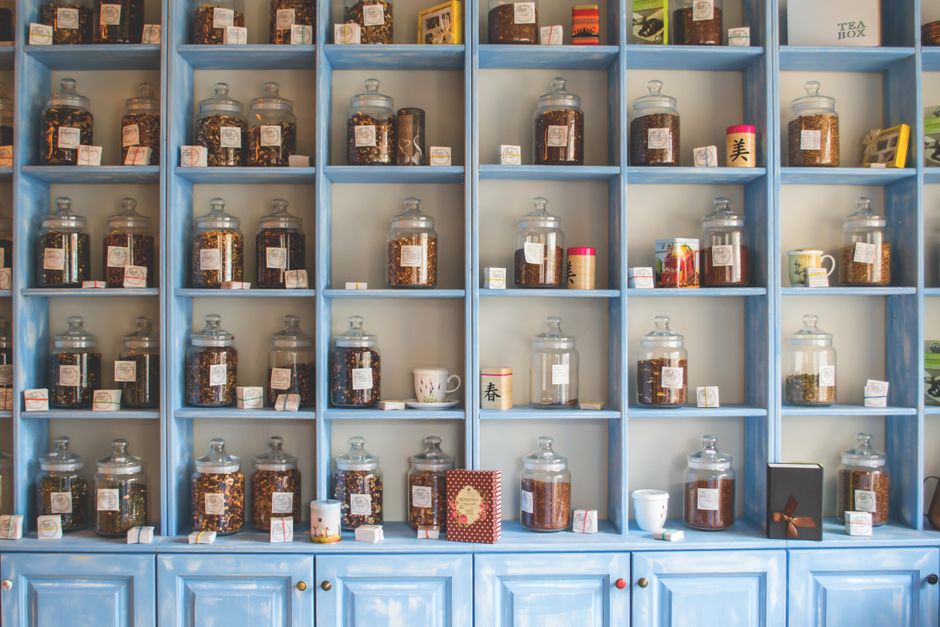

A pantry challenge for two people means cooking mostly from what you already have for a set period, with a short list of allowed top-up purchases. The plan works best when built around an inventory, shared meal preferences, and small-batch meals rather than rigid rules or fixed savings claims. Two adults can run a flexible challenge that fits their kitchen, dietary needs, and schedule without needing a large freezer or a deep stockpile.
Table of Contents
- What is a pantry challenge for two people?
- How do you start with a pantry inventory for two?
- How do you set rules and a short top-up list that fit two people?
- How do you plan small-batch meals for two without waste?
- What pantry challenge recipes work for two people?
- What does a free pantry challenge for two people look like?
- How do you handle shared meal preferences and dietary needs during a pantry challenge?
- Key Takeaways
- References
What is a pantry challenge for two people?
A pantry challenge is a set period of cooking from existing pantry, fridge, and freezer stock before buying more groceries. The two-person version differs from a family challenge because portions are smaller, leftovers are fewer, and the top-up list is usually shorter. Two adults often need less variety per week than a larger household, which makes the challenge easier to plan.

Rules vary by household. Essential purchases and dietary needs are allowed, and strict no-buy rules are optional. According to Simple Frugal Life, one person ran a pantry challenge with a very small weekly budget mainly for milk. The Kitchn describes a one-week version with no grocery runs and no takeout. Andrea Dekker ran a challenge for about three weeks while buying only fresh produce, milk, eggs, and yogurt. People run challenges for different lengths, from one week to a few months.
How do you start with a pantry inventory for two?
Start by listing what you already have in categories: shelf-stable staples, canned and dried goods, freezer items, fresh produce, and open packages. For two people, it helps to track roughly how many meals each item can cover for two adults instead of exact counts. A can of beans might cover one meal, while a bag of rice could stretch across several meals.

Inventory size varies, so no one needs a large freezer or a deep stockpile to begin. Even a small inventory can support a short challenge. According to Andrea Dekker, a household with almost 50 quarts of home-canned applesauce had a large stockpile, but a smaller kitchen can still run a shorter challenge. Simple Frugal Life suggests making large batches from existing stock to stretch meals. Flag items that need to be used first, such as open packages, aging produce, or items nearing their best-by date.
How do you set rules and a short top-up list that fit two people?
Pick a challenge length and a small list of allowed purchases, such as milk, eggs, fresh produce, and yogurt. A two-person household often needs only a few fresh items each week to support pantry meals. According to Andrea Dekker, buying only fresh produce, milk, eggs, and yogurt kept a challenge workable for about three weeks.
Essential purchases and dietary needs stay outside the rules. Strict no-buy rules are optional and can be scaled to the household. Simple Frugal Life describes a challenge with a very small weekly budget mainly for milk, showing that top-up lists can be minimal. A short top-up list of three to five items works better than a full grocery trip. Write the list before shopping and stick to it.
How do you plan small-batch meals for two without waste?
Plan portions so meals feed two adults with limited leftovers. A recipe written for four or six can be halved, or a full batch can be used as a base for multiple meals. Simple Frugal Life describes making a large vegetable and lentil chili intended to make at least three meals each. For two people, that same pot could cover dinner, then lunch bowls, then a topping for baked potatoes.
Quick meal prep for two works best when you prep components rather than full recipes. Cook a pot of grains, rinse a can of beans, chop vegetables, and make one sauce. Then combine those components differently across the week. Simple preservation tricks extend fresh items. Simple Frugal Life notes that fridge pickles made from cucumbers can last about six weeks. The Kitchn shows that a week of pantry-only cooking can work without takeout when meals are planned around what is already open and ready to use.
What pantry challenge recipes work for two people?
Flexible meal patterns work best: grain bowls, soups, chili, pasta, egg-based meals, and sheet-pan dishes. These formats let you swap ingredients based on what the inventory shows. A grain bowl can use rice, quinoa, or pasta as the base, then any beans, vegetables, and sauce on top. Soups and chili absorb odds and ends from the fridge.
The same ingredients work across different meals. Beans can go into chili one night, grain bowls the next day, and wraps later in the week. According to Simple Frugal Life, a large vegetable and lentil chili can stretch into several meals. The Kitchn describes a week of meals made only from pantry items with no takeout. Andrea Dekker kept meals simple while buying only fresh produce, milk, eggs, and yogurt. Scale recipes down for two and adjust to dietary needs.
What does a free pantry challenge for two people look like?
A free pantry challenge means no grocery spending during the challenge period, using only existing stock. For two people, a free version is easier to run for a short window, such as one week. The Kitchn describes a one-week free pantry challenge with no grocery runs and no takeout.
Most households still keep essentials like milk or fresh produce on hand, so a fully free run is optional. A free challenge works when the inventory already includes enough variety for several days of meals. Andrea Dekker ran a longer challenge while still buying fresh produce, milk, eggs, and yogurt, which is not a fully free version but still reduces grocery spending. Starting with a short free week before trying a longer challenge helps two adults learn what their stock can cover.
How do you handle shared meal preferences and dietary needs during a pantry challenge?
Agree on a short list of meals both adults enjoy before the challenge starts. Two people sharing a kitchen need meals that satisfy both preferences, or the challenge becomes frustrating. Write down five to seven flexible meals that both adults will eat, then check the inventory to see which ones are possible.
Plan around dietary needs first, then build meals from available stock. A vegetarian, gluten-free, or low-sodium need should shape the meal list before the challenge begins. Keep flexible base ingredients that suit both preferences, such as rice, beans, eggs, and frozen vegetables. The challenge should not override medical or dietary requirements. Simple Frugal Life and Andrea Dekker both describe challenges that allowed essential purchases, showing that flexibility keeps the plan workable.
Key Takeaways
- A pantry challenge for two people means cooking mostly from existing stock for a set period with a short top-up list.
- Inventory first: count shelf-stable, frozen, and fresh items and estimate meals for two rather than exact units.
- Rules are flexible and should always allow essential purchases and dietary needs.
- Small-batch meal planning and shared base ingredients, like a big pot of chili, reduce waste for a two-person household.
- A free pantry challenge uses only existing food and works best as a short trial week.
- One week of cooking only from pantry items with no grocery runs or takeout is a common starting format.
- No fixed savings figure applies to every household, so the plan should focus on habits rather than promised amounts.
References
- Pantry Challenge to save money — Simple Frugal Life, January 2, 2025
- I Did This "Pantry Challenge" and Saved $152 in a Week (Now I'll Do It Monthly!) — The Kitchn, October 2, 2025
- My Self-Imposed Eat-From-The-Pantry Challenge — Andrea Dekker, date unknown

